


Waffen-SS
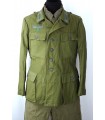
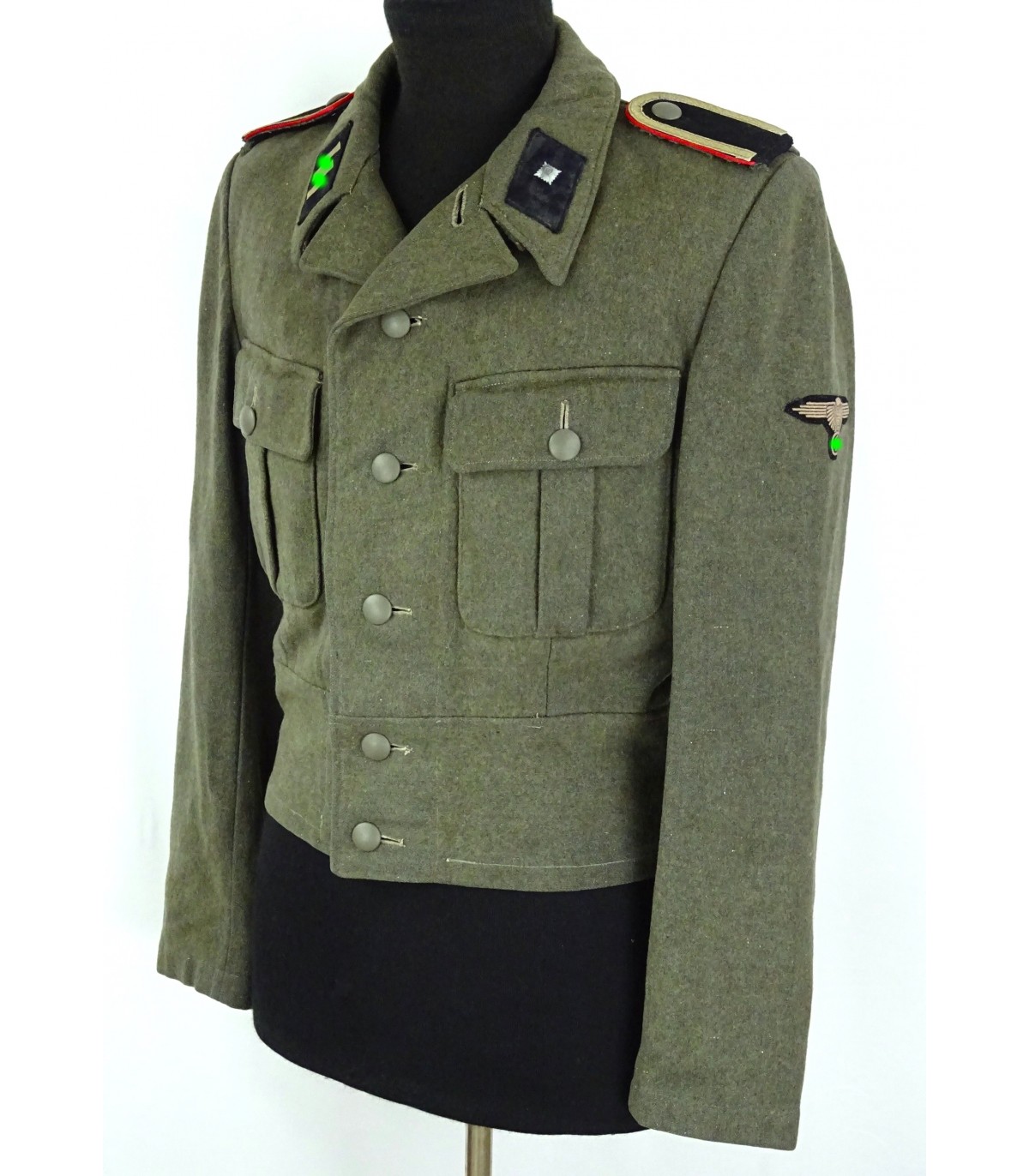
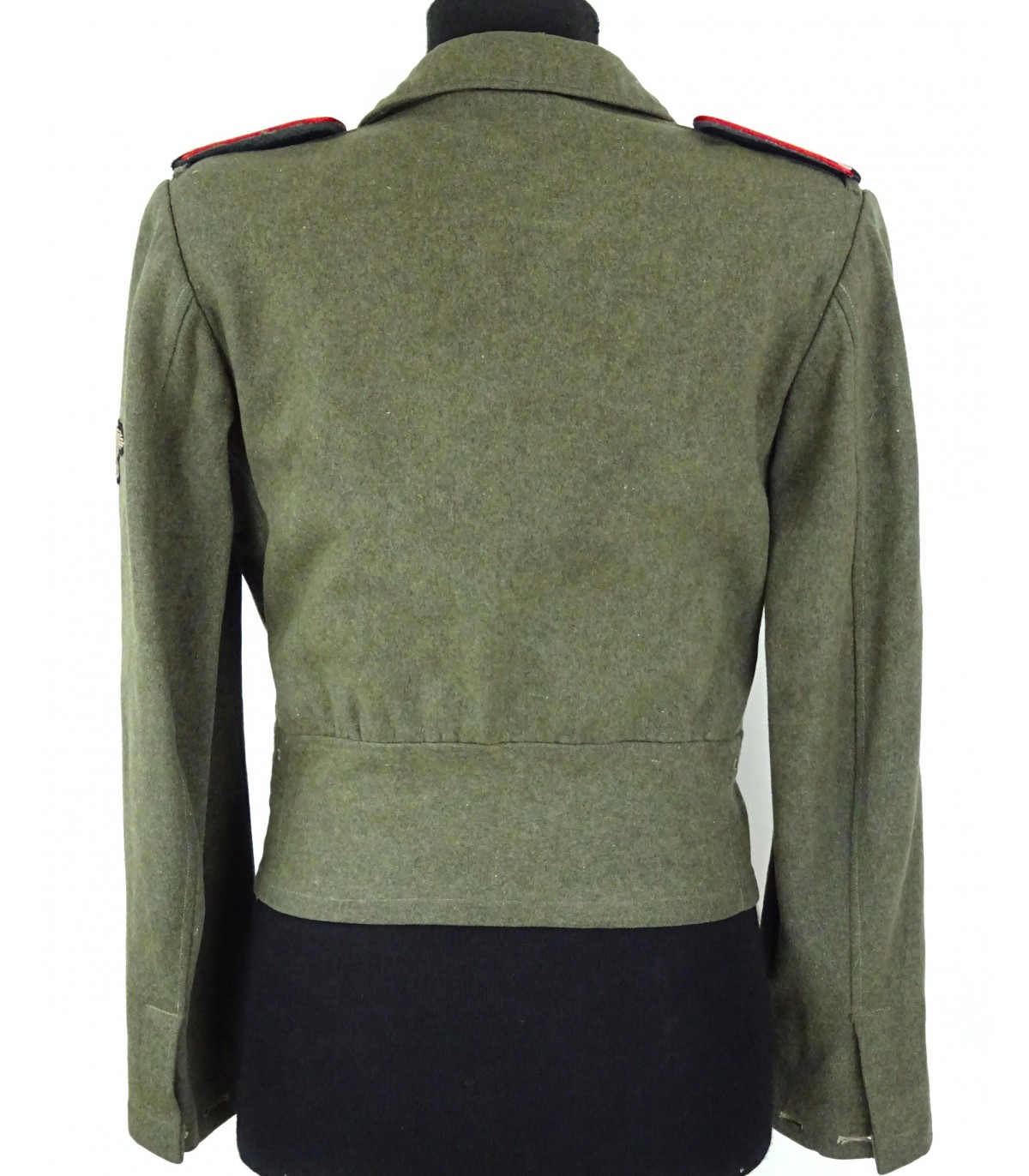
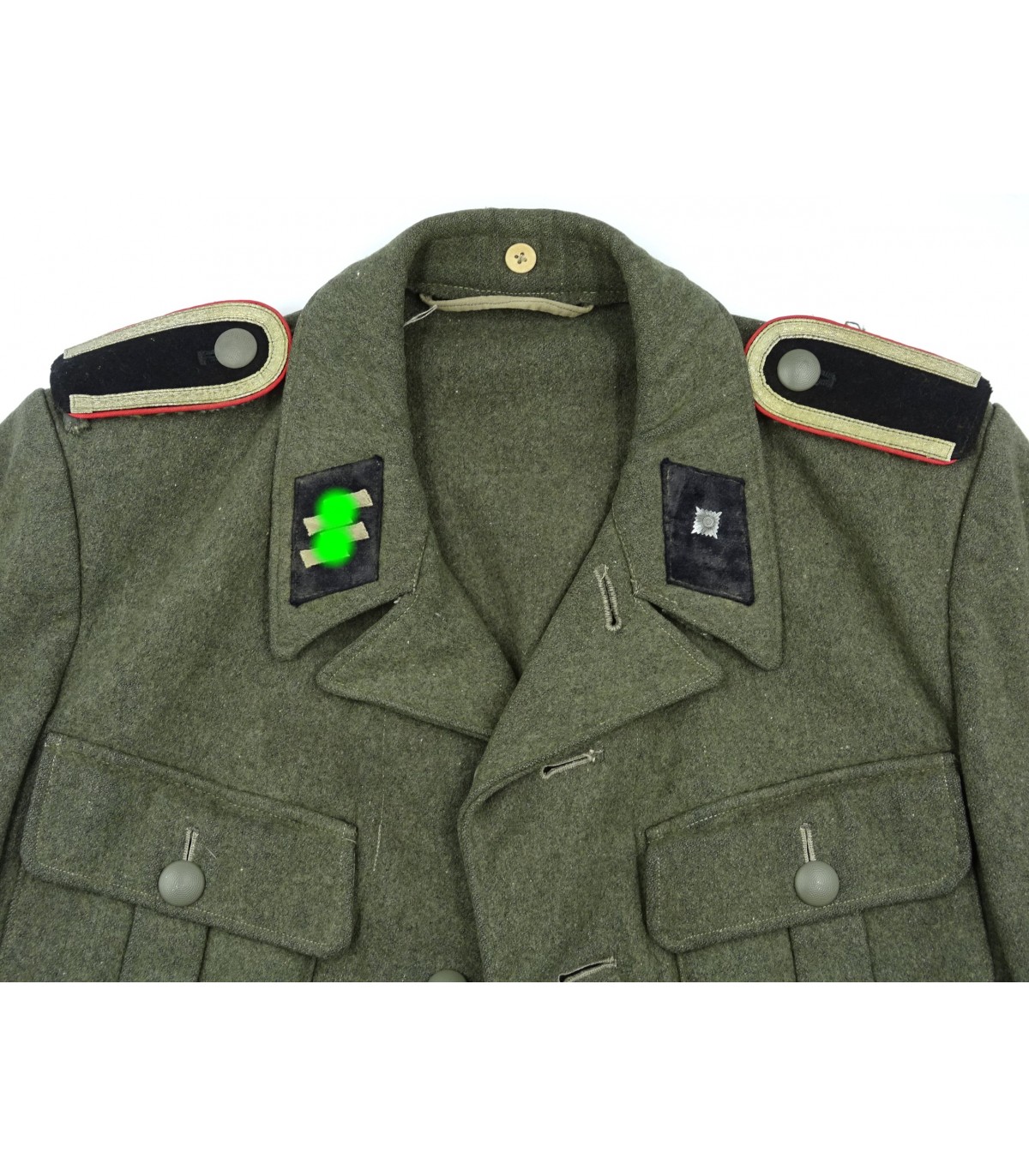
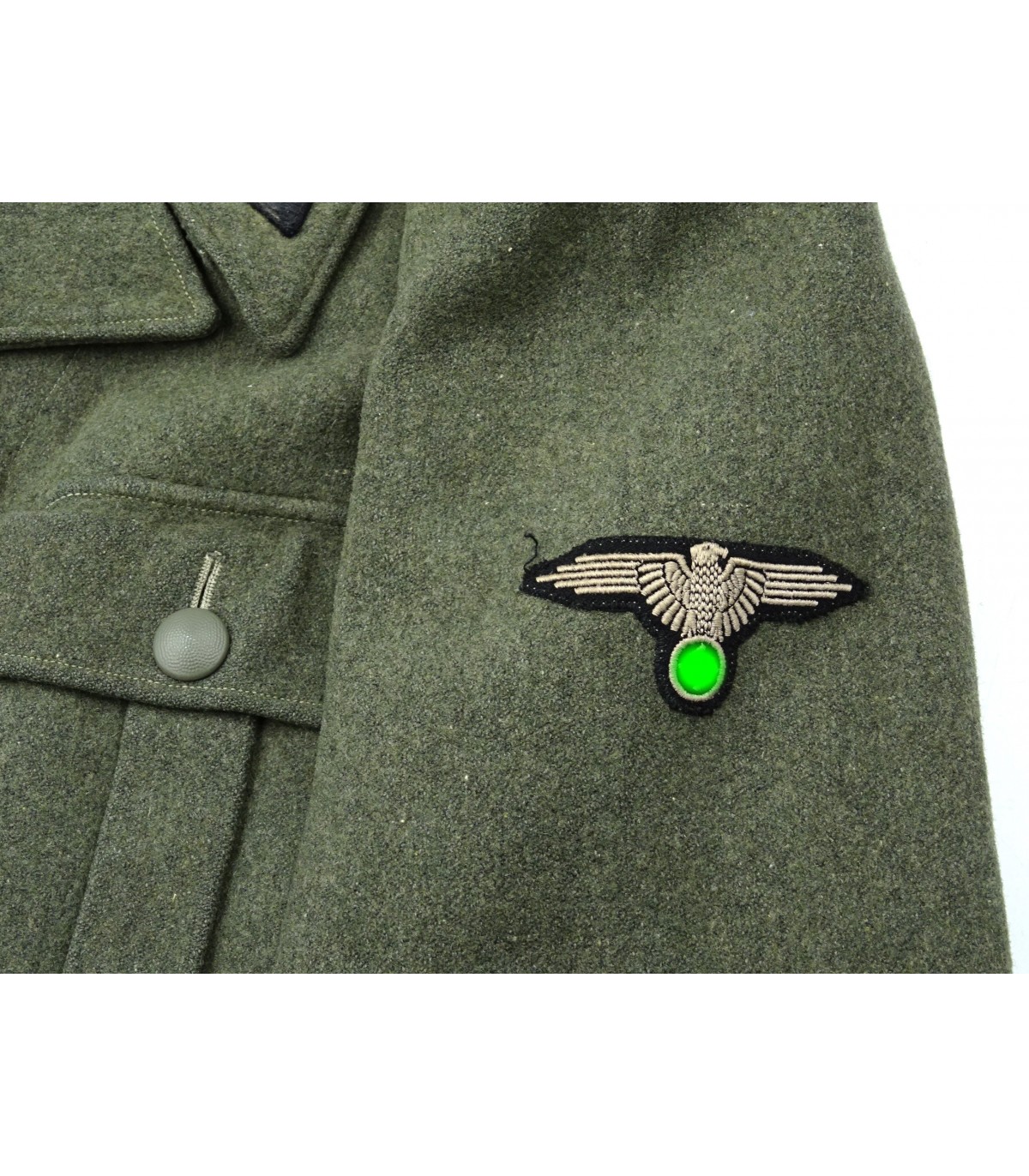
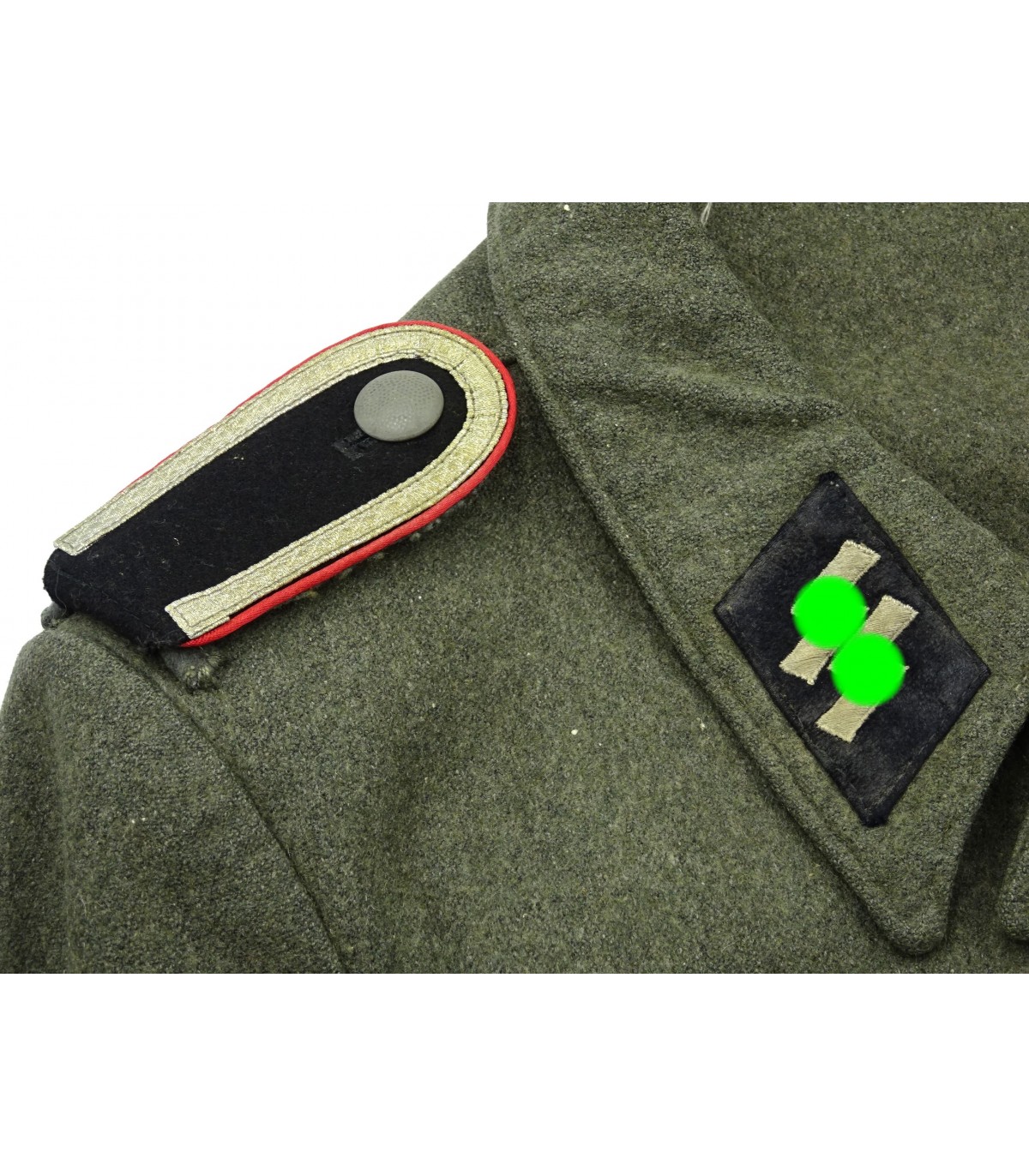
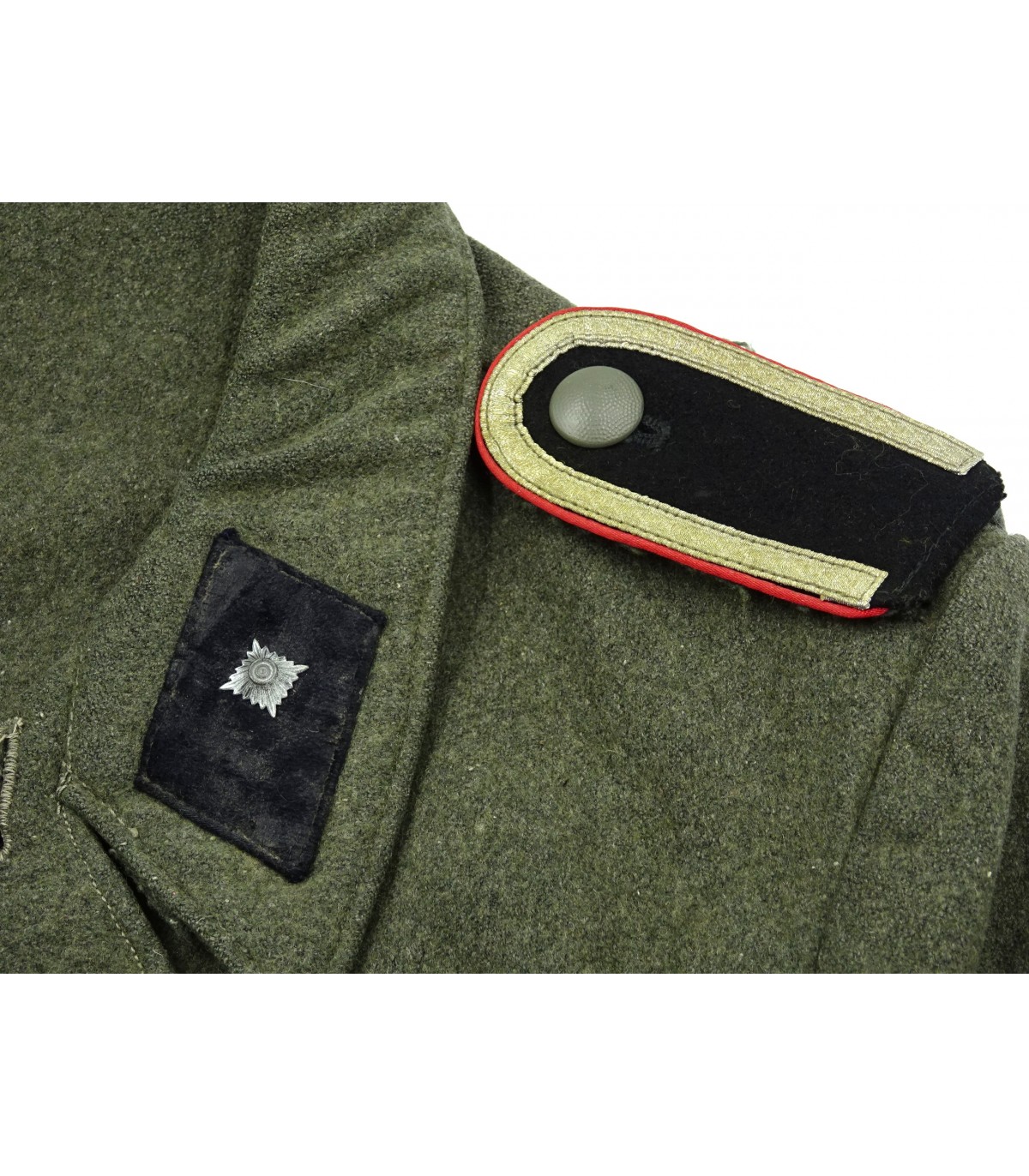
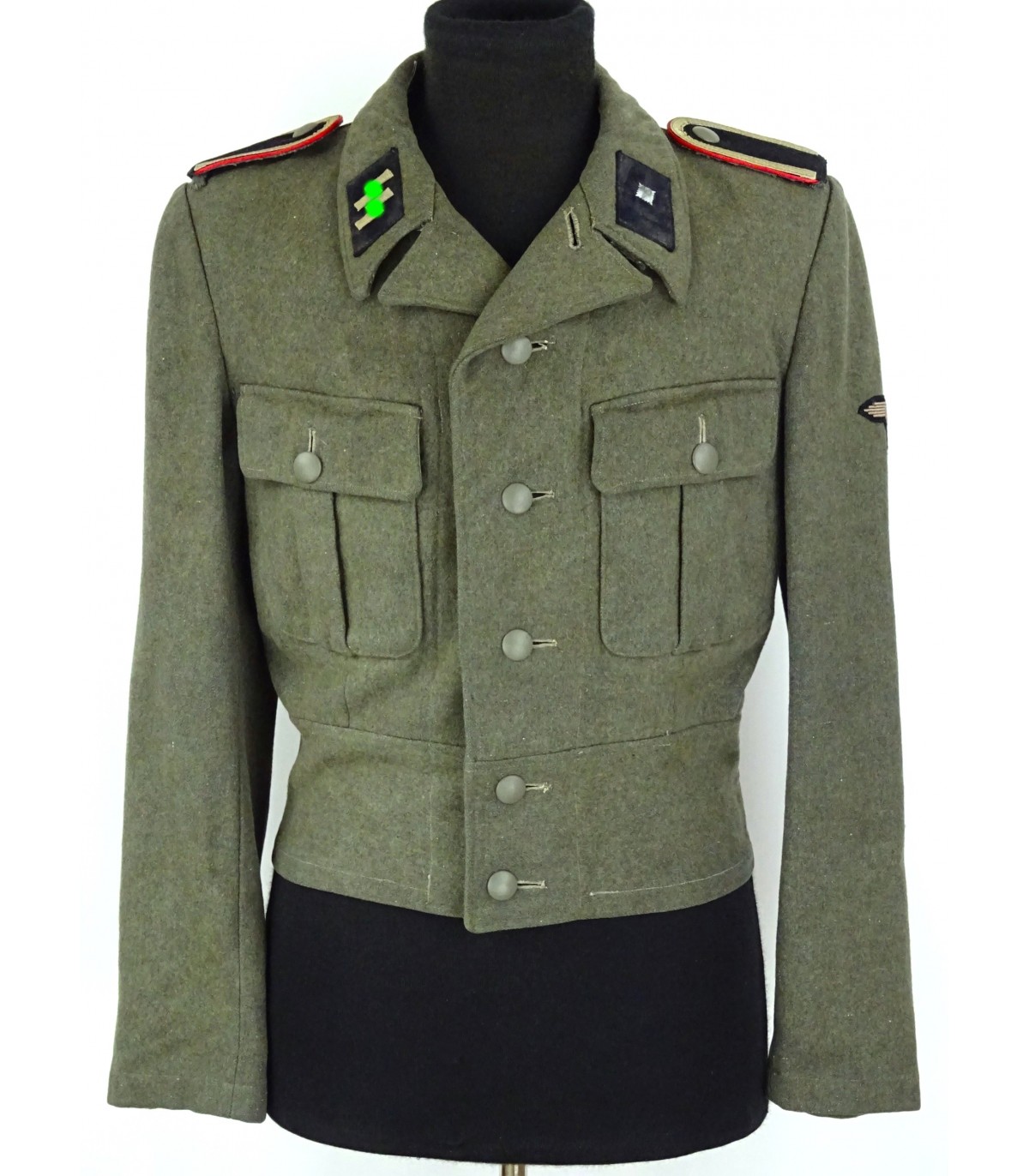
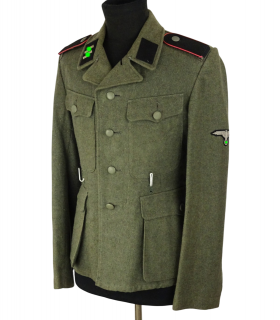
SS-Unterscharführer M44 jacket
€5,950.00
(VAT incl.)
Reference:
HH005
Love0
Add to wishlist
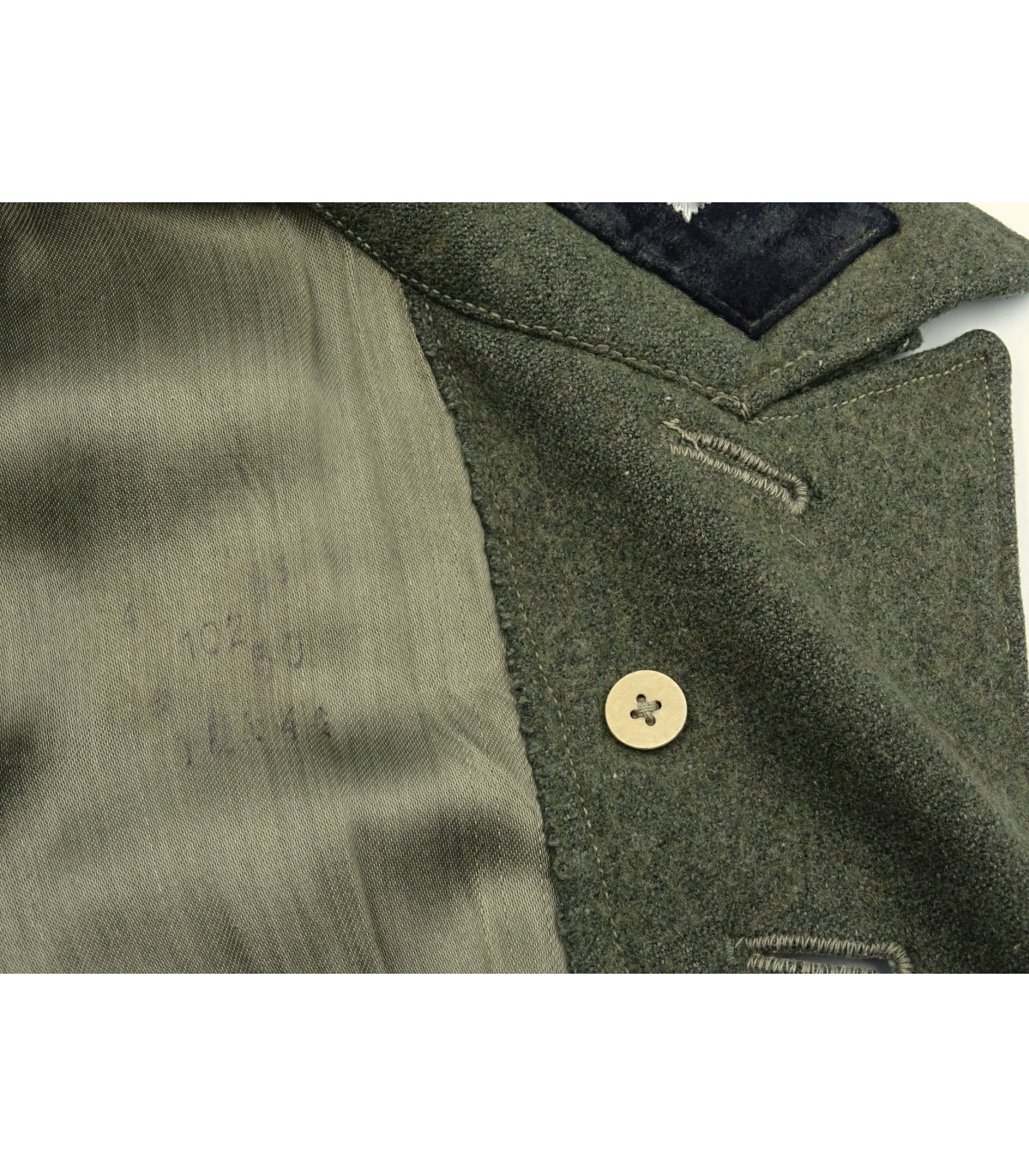
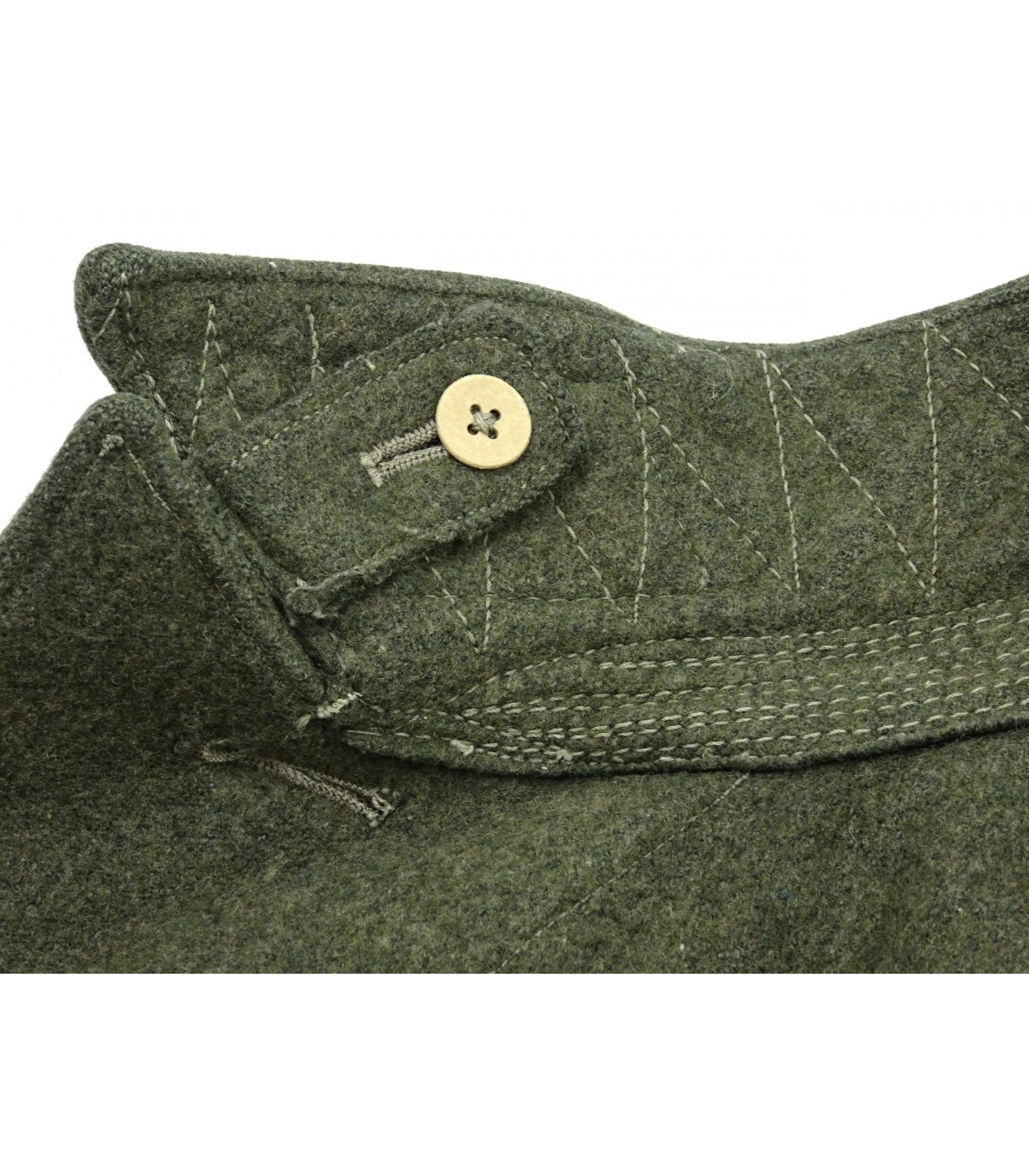
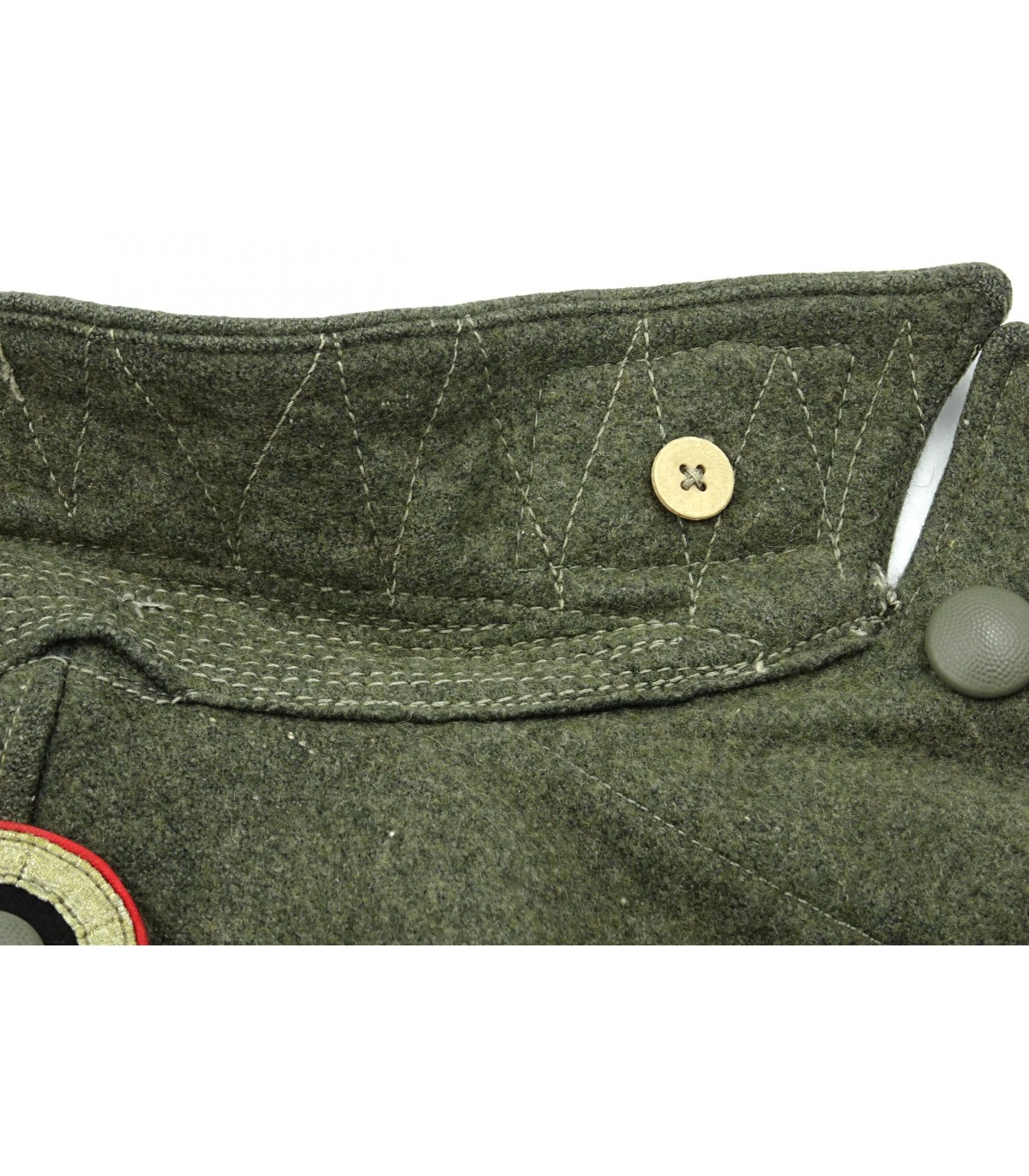
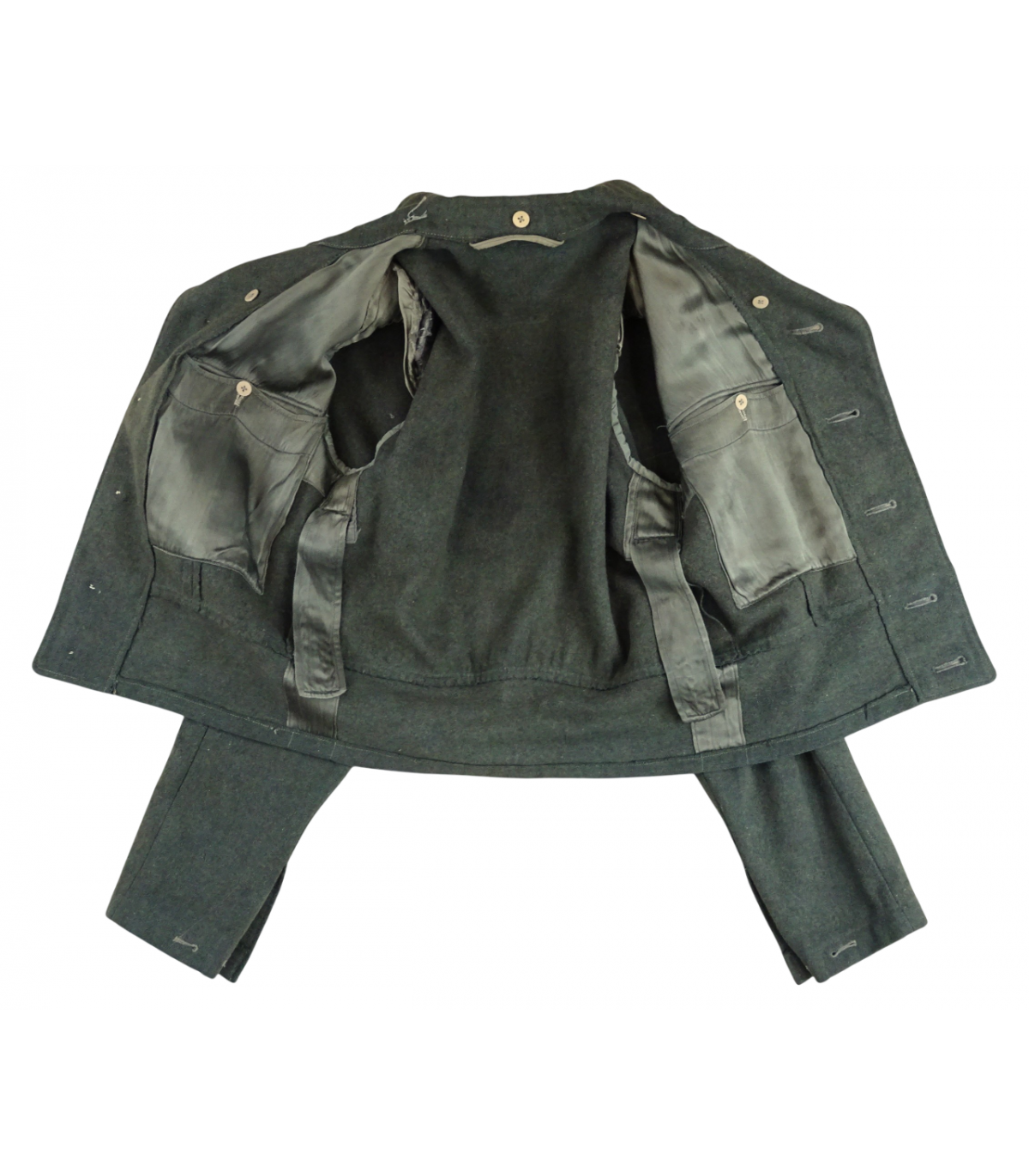
Complete. Late war fieldgrey wool, introduced in 1943 (used for most of the SS M42 and M43 4 pockets). Rare variation with pleated breast pockets. Machine embroidered collar tabs and sleeve eagle. Unterscharfrer artillery shoulder boards. Sleeve eagle eventually recently sewn. Size stamps. Origine: Dodkins collection, bought 8350$ many years ago. Rare. Very good condition.
| historical background |
The Waffen-SS originated from the armed formations established by the SS during the 1930s and developed alongside the rise of the National Socialist regime. Initially composed of a small number of units tasked with protecting the party and its leadership, it gradually evolved into a military organization with its own structures, traditions, and regulations. With the expansion of the Third Reich and the outbreak of World War II, the Waffen-SS experienced considerable growth, developing from a limited corps into a force comprising numerous divisions deployed on the principal fronts of the conflict. Its evolution closely followed the course of the war and left a lasting mark on German military history between 1939 and 1945.
Throughout the conflict, the Waffen-SS developed its own visual and administrative identity, distinct from that of the Wehrmacht. Uniforms, insignia, equipment, and regulation headgear were produced according to precise specifications and reflect the evolution of the organization as well as the different wartime manufacturing periods. These characteristics are now essential for the study, identification, and authentication of German WWII militaria.
Objects, insignia, uniforms, and equipment associated with the Waffen-SS rank among the most iconic and sought-after categories of German WWII militaria. Reflecting the evolution of the organization throughout the war, they hold a prominent place in specialized collections because of their historical significance, manufacturing diversity, and the wide range of documented variants.
You may also like

€450.00
(VAT incl.)
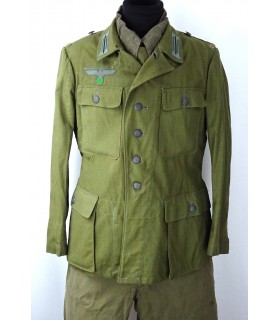
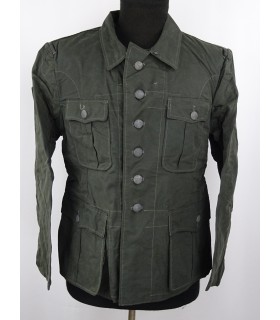
WH M40 summer jacket in rubberized fledgrey material

 Français